Key points about PTFE pipe automatic flanging equipment
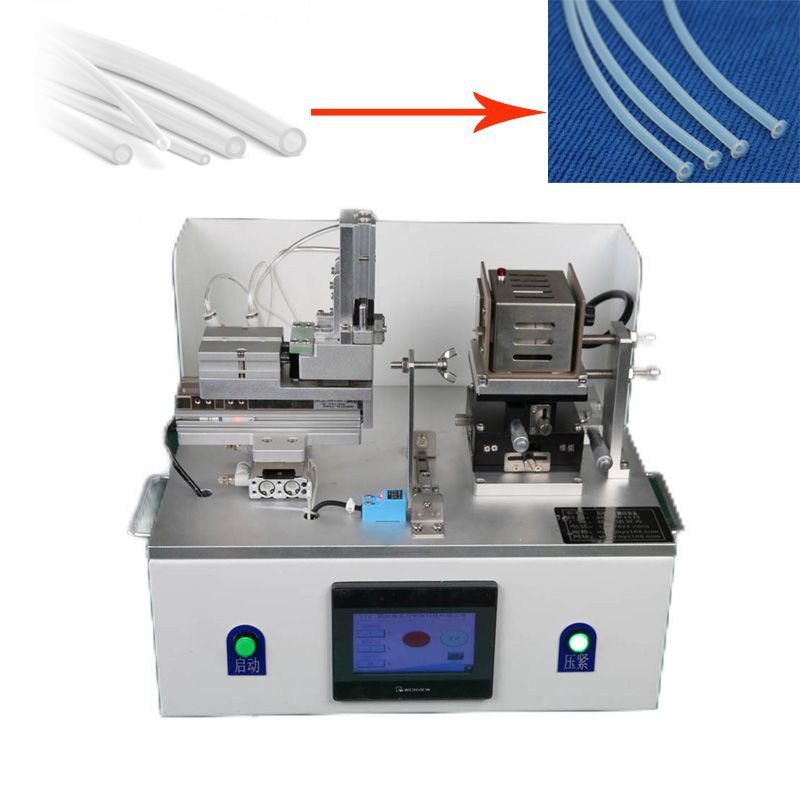
① After the equipment shell undergoes loose lining, a certain gap exists between it and the PTFE sheet. In environments with significant negative pressure and temperature fluctuations, this can easily cause problems such as PTFE sheet collapse, blistering, and flange cracking.
② Automatic PTFE pipe flanging equipment reduces the number of pipe ends and lowers the usage rate of non-conventional fittings (reducing tees, eccentric reducers), effectively reducing the number of welding points in the lining layer and lowering the failure rate of the PTFE sheet from the design stage.
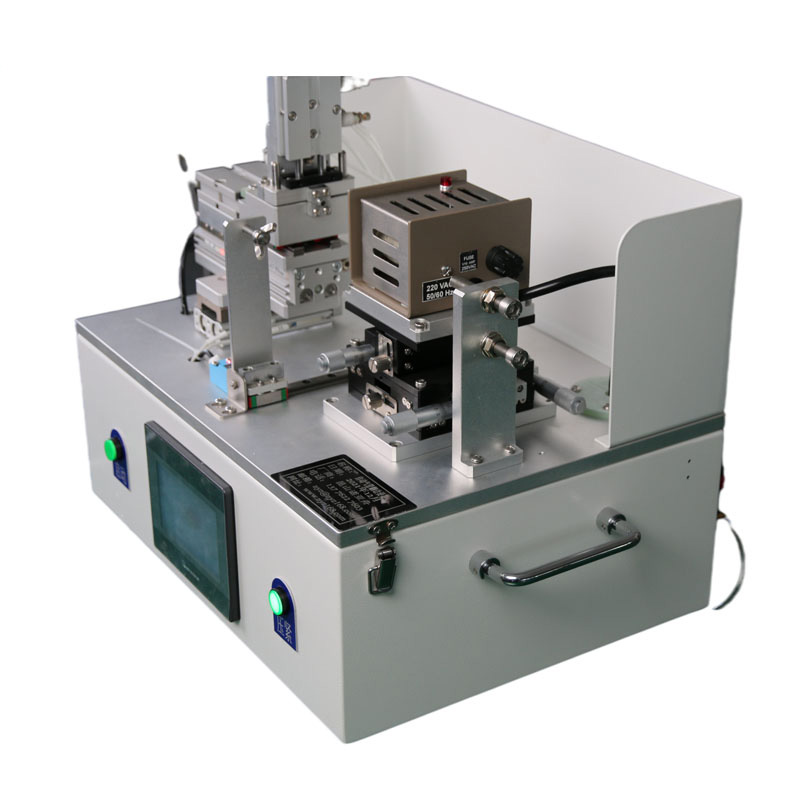
③ Three methods for quality inspection of PTFE pipe lining products using automatic flanging equipment: spark test, hydrostatic sealing test, and insulation resistance test. Lining quality problems and the control of operating conditions and processes during use are the main causes of damage to PTFE-lined equipment.
④ During lining, the density of the PTFE sheet is increased through heating and rolling, improving its impermeability.
⑤ Automatic flanging of PTFE pipes with metal mesh can disperse thermal stress, control the free expansion and contraction of the lining, and solve the problem of damage caused by thermal expansion and contraction.
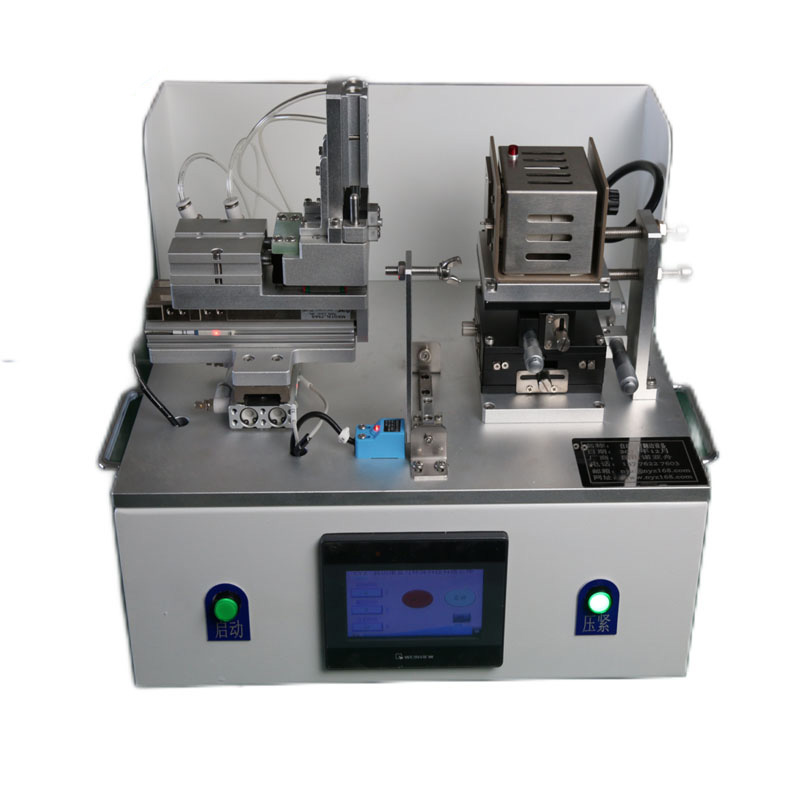
⑥ Phenomenon: In the automatic flanging equipment for PTFE pipes, the lining adopts a PTFE pipe automatic flanging thin strip winding and sintering structure. During use, it was found that the lining was severely separated from the steel shell, and the appearance showed instability and failure. Cause: The reason for the failure of the PTFE pipe lining in the crude distillation tower bottom is that the gas pressure in the gap between the lining and the steel shell exceeded the actual pressure that the lining can withstand.
⑦ Automatic flanging of PTFE pipes with loose lining is not suitable for equipment with jacketed heating, equipment with threaded connections, equipment directly heated by flame, equipment subjected to radiation, equipment with vibration and frequent and sudden temperature changes, vacuum equipment, and equipment that is frequently moved.
Scan the code
 For consultation
All rights reserved © Kunshan Noah Environmental Protection Technology Co., Ltd Filing number: Technical support:Zhongyunshang Network


Consult customerHotline